

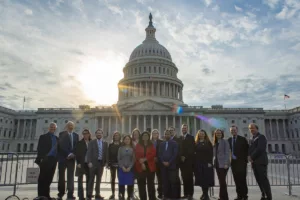
2026 Sandia Graduate Fellows
Congratulations to the graduate students selected for the 2026 URA Sandia Graduate Summer Fellowship!
Fellows will engage in an immersive R&D experience and discover opportunities at the New Mexico and California campuses of Sandia National Laboratories. The fellowship runs from May through August, 2026, and includes mentoring from Sandia S&T experts, laboratory tours, professional development events, and the potential for long-term research outcomes! Learn more about our 2026 Fellows.
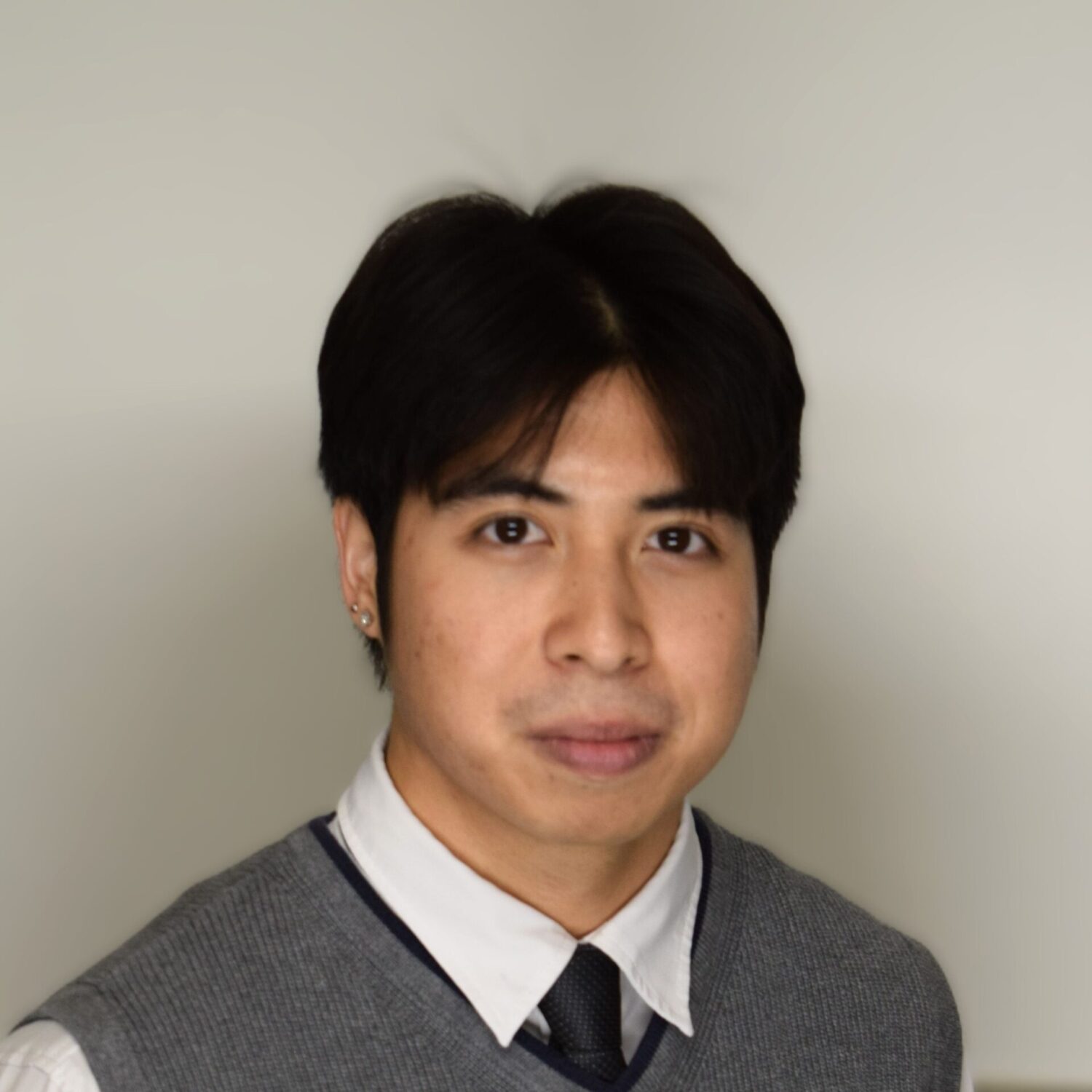
Adam Phengsomphone, North Carolina State University
I am a fourth year Ph.D. student at the NC State University College of Mechanical and Aerospace engineering. My current research is the experimental and numerical study of novel fuels in piloted gas turbine swirl combustors and their effective reactant flow behavior. I use finite volume schemed CFD reactant codes with various chemical mechanisms, IR thermography, and high speed imaging techniques to study the performance and flame dynamics of this combustor under various parameters. At Sandia, I will expand my foundation by working on improving the state of affairs for thermal characterization of as-built components through coupled pulsed laser heating and rapid surrogate modeling. Outside of research, I enjoy cooking, dancing, and training calisthenics.
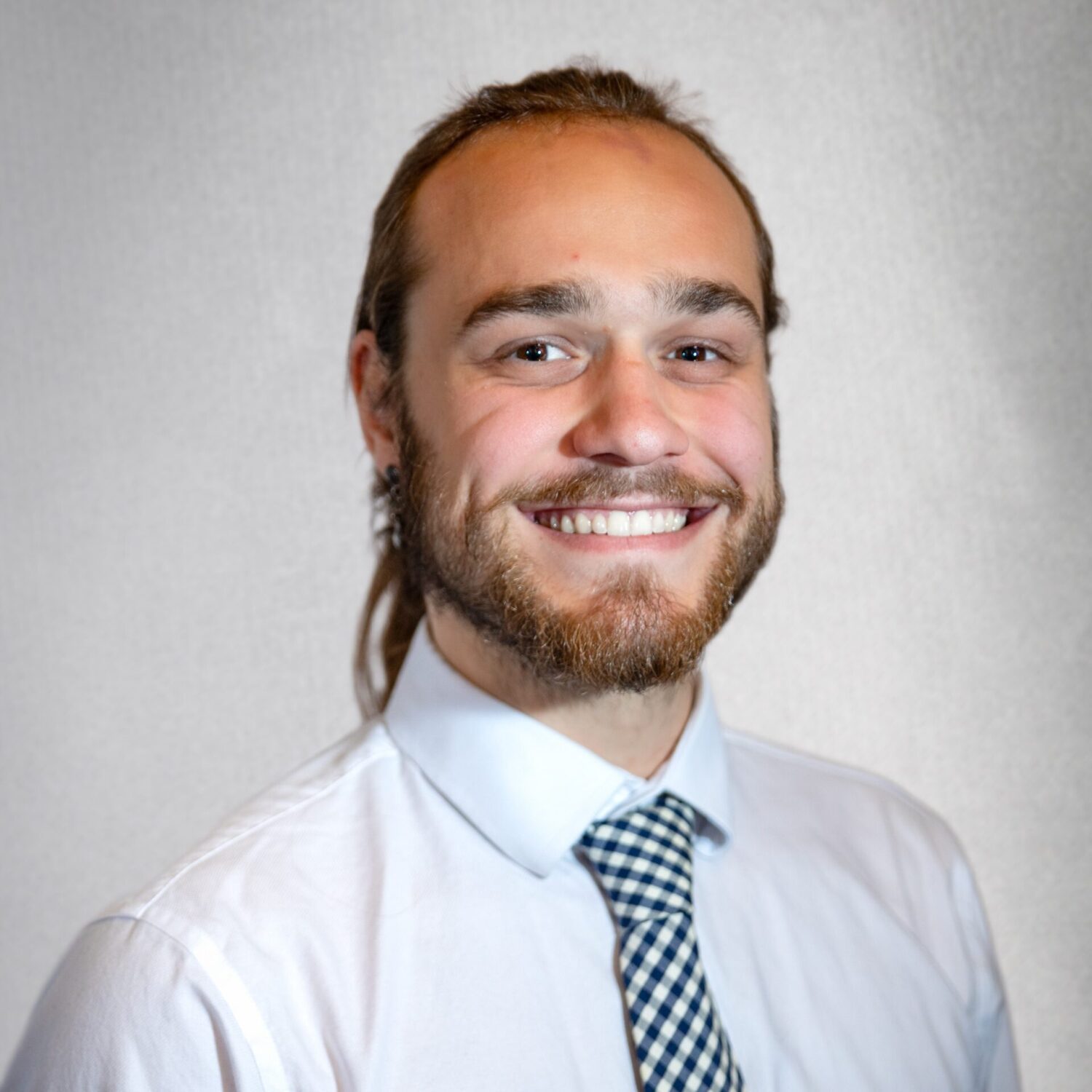
Benjamin Skultety, University of Pittsburgh
I am a fourth-year PhD student at the University of Pittsburgh where I work with Dr. Jennifer Laaser. My research is focused on the intersection between fundamental block copolymer physics and mechanochemistry to understand the underlying force distributions in mechanically-active self-assembled block copolymer networks. Outside of work, I am interested in hobbyist 3D printing which has informed my interests at Sandia. I am looking forward to my work on formulation of resins incorporated with mechanophores during the internship.
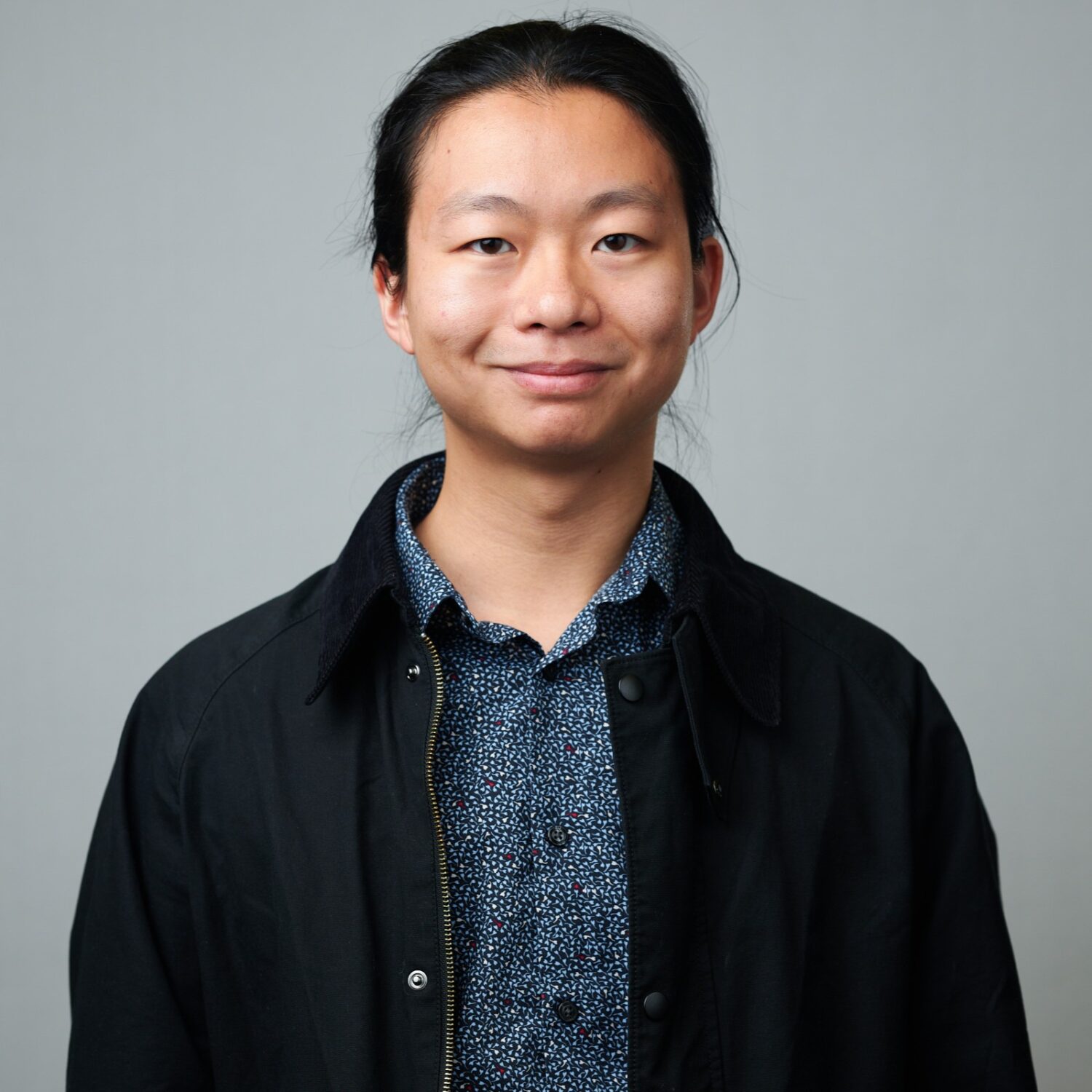
Davis Chen, University of Florida
I am a senior PhD candidate in Physics at the University of Florida currently working with Dr. Dominique Laroche. At UF, I work on the fabrication and low temperature magnetotransport measurements of Si/SiGe double quantum well heterostructures to probe underlying quantum phenomena, including the onset of exciton condensation and valley splitting. At Sandia, I am excited to work on GaN-based field-emission photodiodes. Outside of research, I volunteer extensively in my department’s Physics Graduate Community and my hobbies include rock climbing, cooking, and going to music events.”
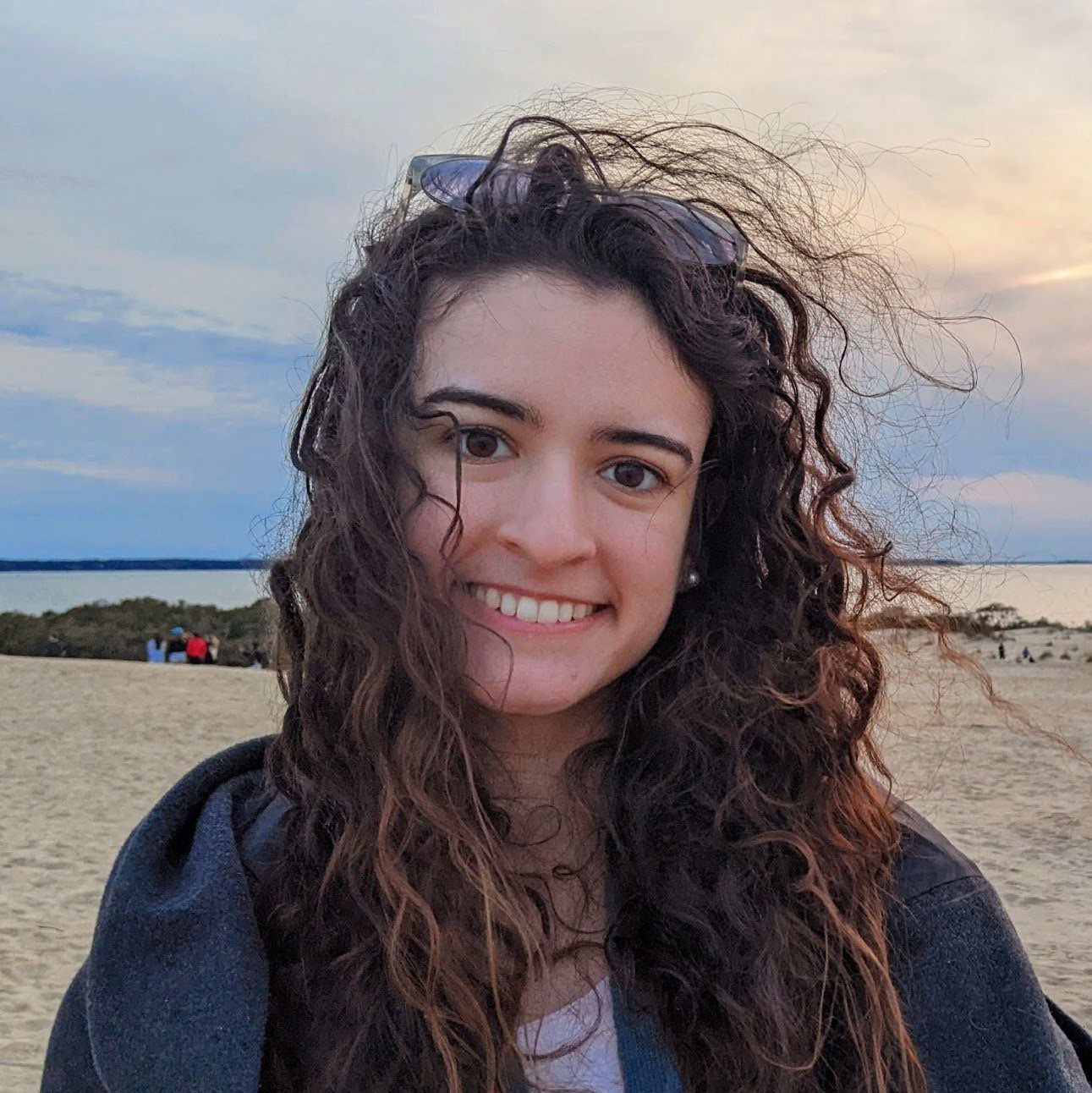
Emily Layton, Indiana University Bloomington
I’m a fifth-year Microbiology Ph.D. student at Indiana University Bloomington, co-mentored by Dr. Rich Hardy and Dr. Irene Newton. I investigate how Wolbachia bacteria suppress viral replication within their mosquito hosts, preventing the transmission of these viruses (such as Zika, dengue, and chikungunya) to humans. At Sandia, I’ll be testing how well generative AI can predict deleterious mutations in a bacteriophage. Outside of lab, I love hobbies that are outdoors/active (climbing, skating, camping, dancing, etc), creative (drawing, painting, piano), or mentally engaging (chess, reading, games).
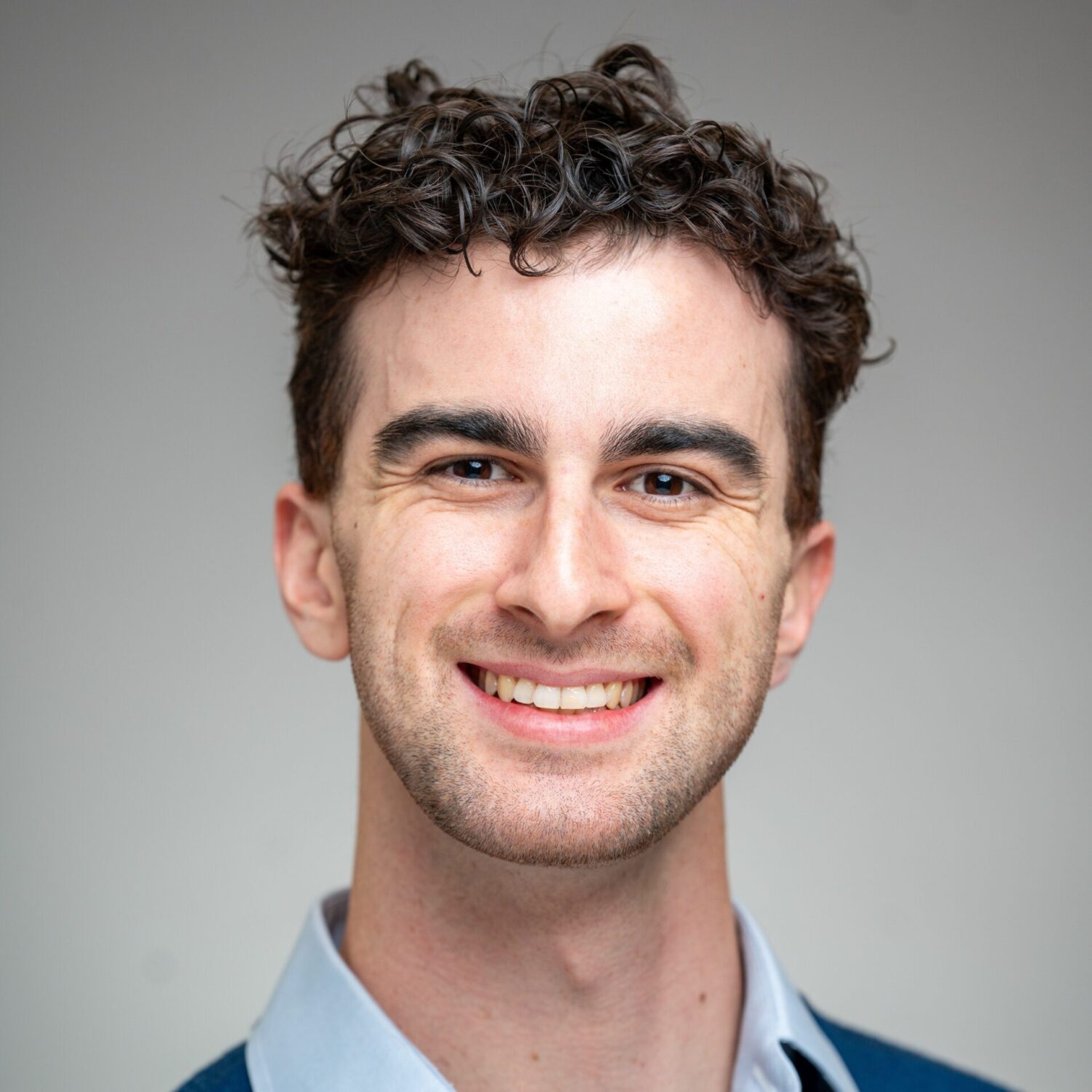
Elias Boshara, University of Chicago
I am a second-year Ph.D. student in Computational and Applied Mathematics at the University of Chicago. I work on the development of interpretable, robust, and differentiable models with applications in X-ray crystallography and ultrasound imaging. Such an emphasis on tractability enables deeper insight into the underlying scientific phenomena. At Sandia, I will conduct exploratory research on the credibility and trustworthiness of large language models used as research assistants in scientific workflows. I enjoy all things outdoors, tending to my plants, and silversmithing.
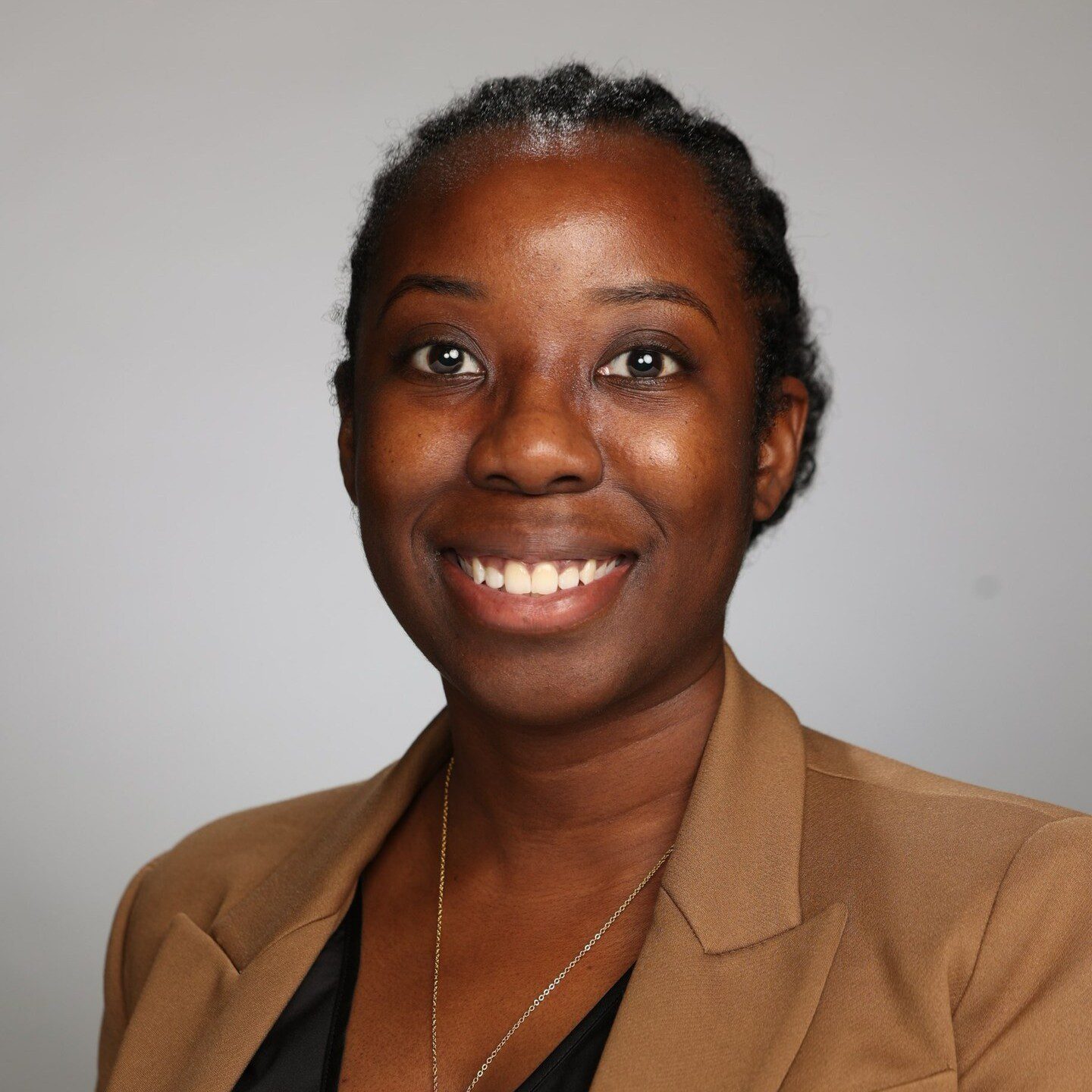
Jhamieka Greenwood, Florida State University
I am a fourth-year Ph.D. student in Computational Science at Florida State University, where I integrate scientific machine learning techniques with wildland fire behavior modeling to advance our understanding of complex dynamical systems. My research focuses on discovering reduced-order, interpretable models of environmental phenomena using data-driven approaches such as sparse system identification. At Sandia National Laboratories, I will work with Dr. Dan Krofcheck on a project that leverages output from the WRF-SFIRE and LANDIS fire behavior models to develop neural network-based surrogate smoke transport models. This work aims to accelerate predictive smoke modeling by combining state-of-the-art process-based simulations with efficient machine-learning frameworks. Before graduate school, I earned my B.S. in Chemistry from Florida A&M University and decided to continue my education in computing and environmental science applications. In my free time, I enjoy hiking with my dog, gardening, and reading science fiction novels.
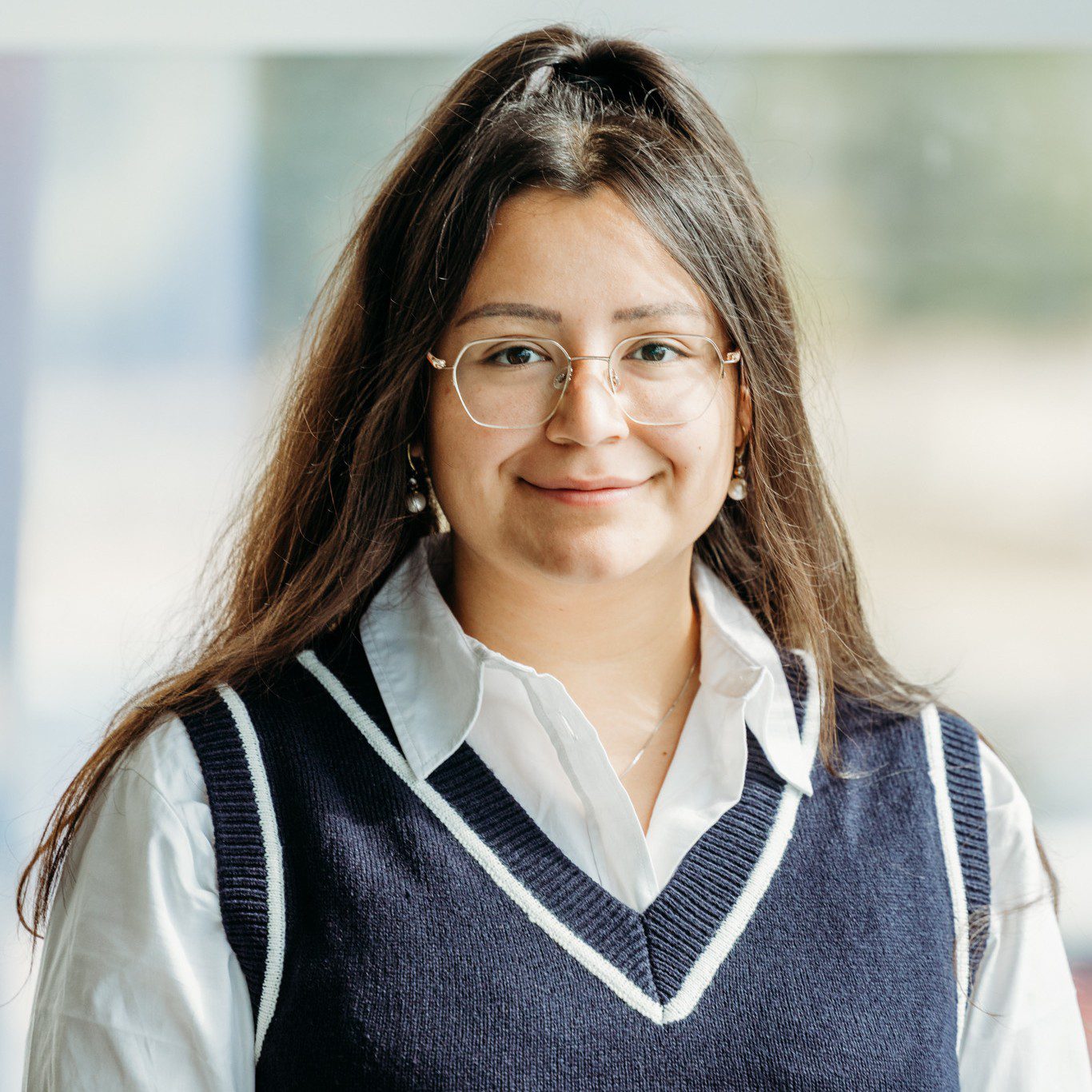
Melany Contreras, Rutgers University
I am a 2nd year theoretical chemistry PhD student at Rutgers University – New Brunswick in the Chemistry and Chemical Biology department. My research leverages molecular dynamics simulations to understand how rotational disorder on an atomic scale impacts larger-scale properties across different systems, from ionic conduction in solid electrolytes for solid-state batteries to organic molecular crystals found on the surface of Saturn’s moon Titan. At Sandia, I will be working on simulating reduction/oxidation processes at liquid-metal interfaces using universal foundation interatomic potentials. Outside of research I enjoy walking, playing games with my friends, and spending time with my 2 cats.
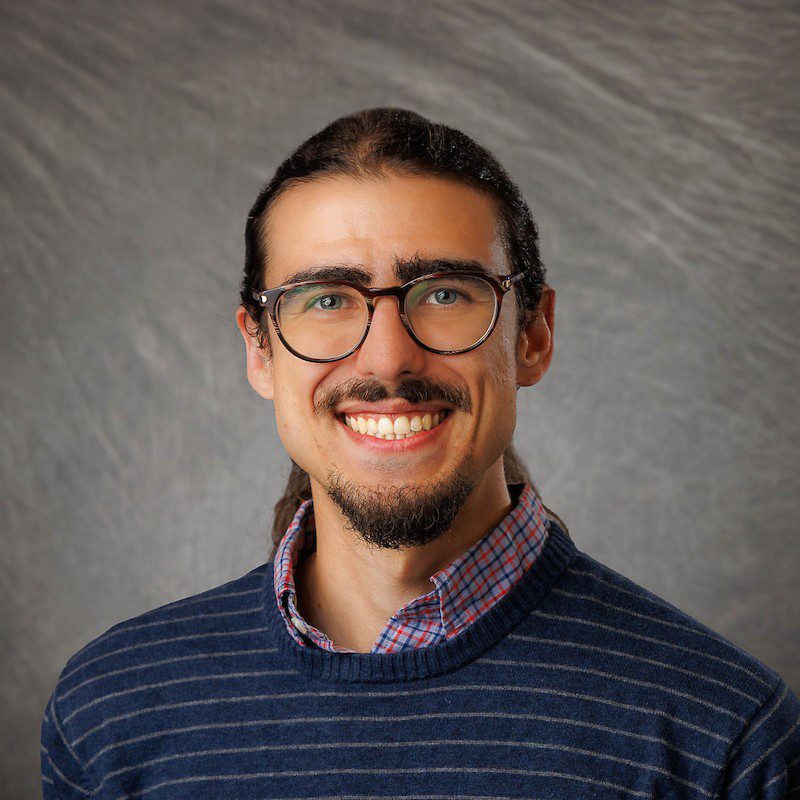
Ryan Sarhan, University of Alabama
I am a first-year PhD student in Civil, Construction, and Environmental Engineering at the University of Alabama. I previously received my M.S. in Biosystems Engineering from the University of Kentucky and have prior experience working in environmental compliance at Sandia. My research interests focus on the microbial ecology of biological water treatment processes to better understand the functional genomics and the mobility of antimicrobial resistance genes. At Sandia, I will join the “Integrases for Eukaryotes” project, contributing to a bioinformatics pipeline to increase the site-specificity and scope of bacterial integrase enzymes for eukaryotic genome engineering. Outside of my research, I enjoy homebrewing, playing board games, and spending time outdoors camping and hiking.
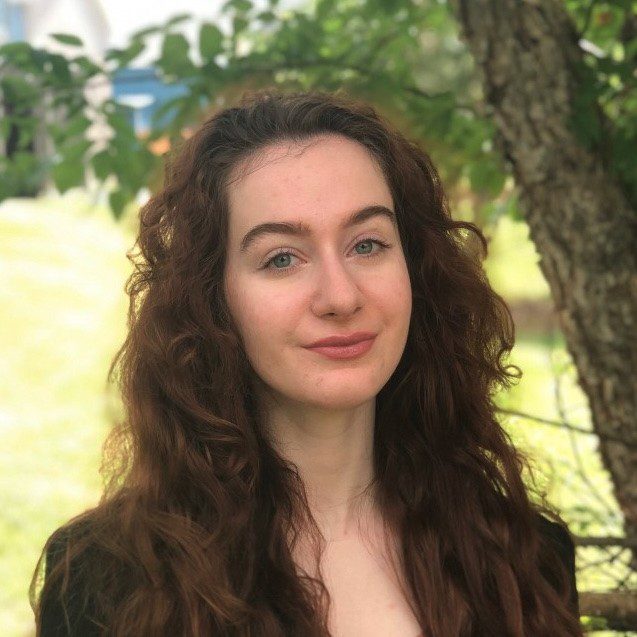
Zoe Fowler, Georgia Institute of Technology
I am a fifth-year PhD candidate in Electrical and Computer Engineering at the Georgia Institute of Technology. I work as a graduate researcher in the OLIVES Research Lab under Dr. Ghassan AlRegib, where my research focuses on machine learning for image processing, with an emphasis on federated learning under data heterogeneity. My research has spanned several areas, such as active learning for ophthalmology disease detection and new distillation-based methods and evaluation metrics to target personalization and generalization in federated learning. I am an NSF Graduate Research Fellowship Program recipient and a Georgia Tech Presidential Fellowship recipient. Besides research, I bake, bike, and read in my free time.